
Can a valley raise
a generation?
Scroll to explore
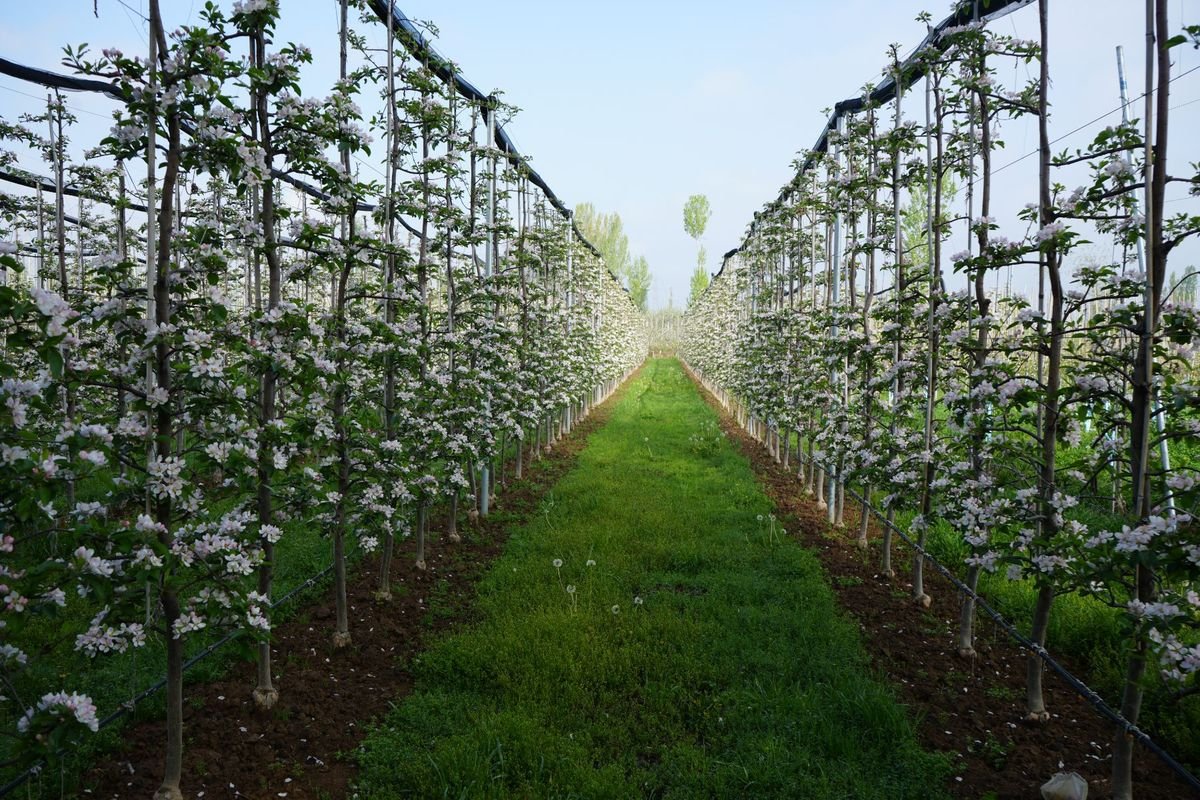
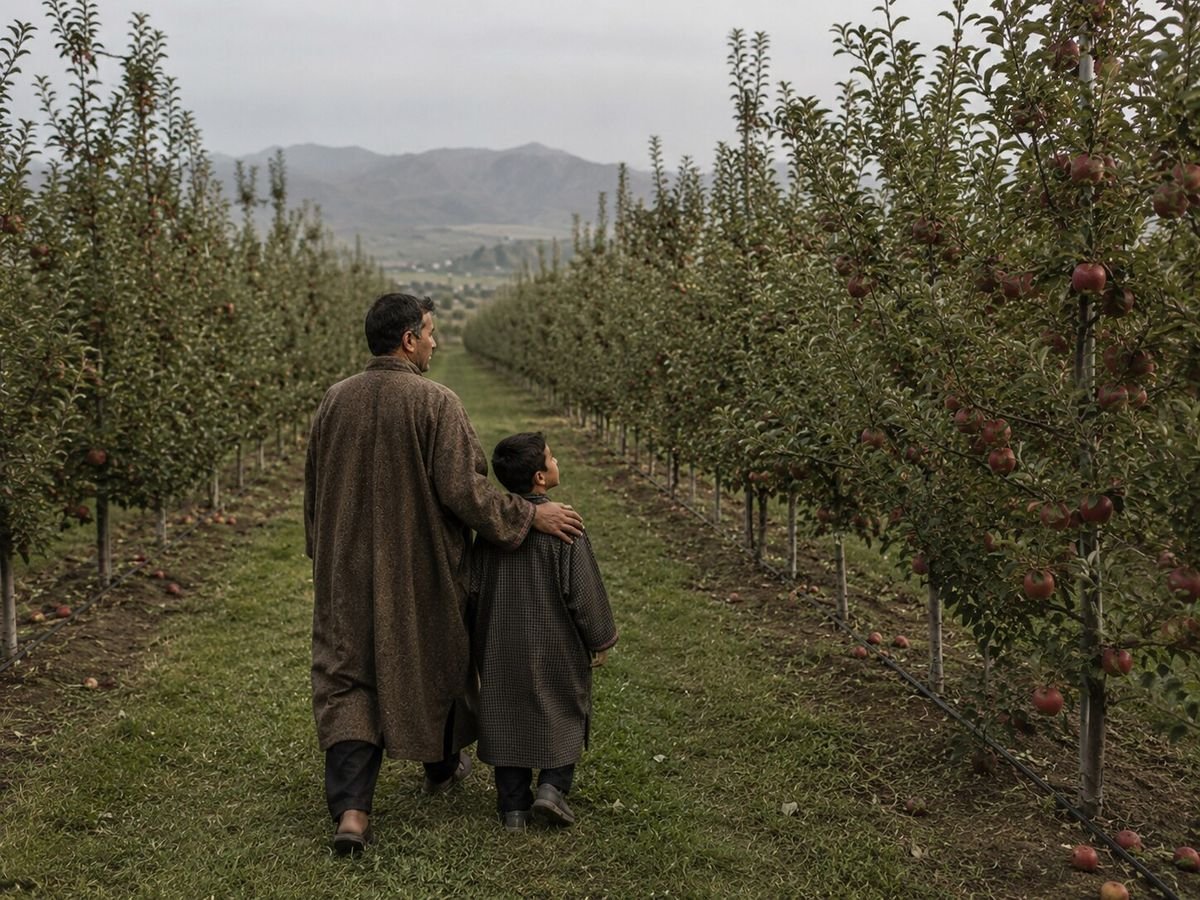
In Kashmir, a harvest depends on much more than a tree. It depends on the soil beneath it, the people who tend it, the knowledge available to them, and the systems that carry its value forward.
Qul works across those conditions.
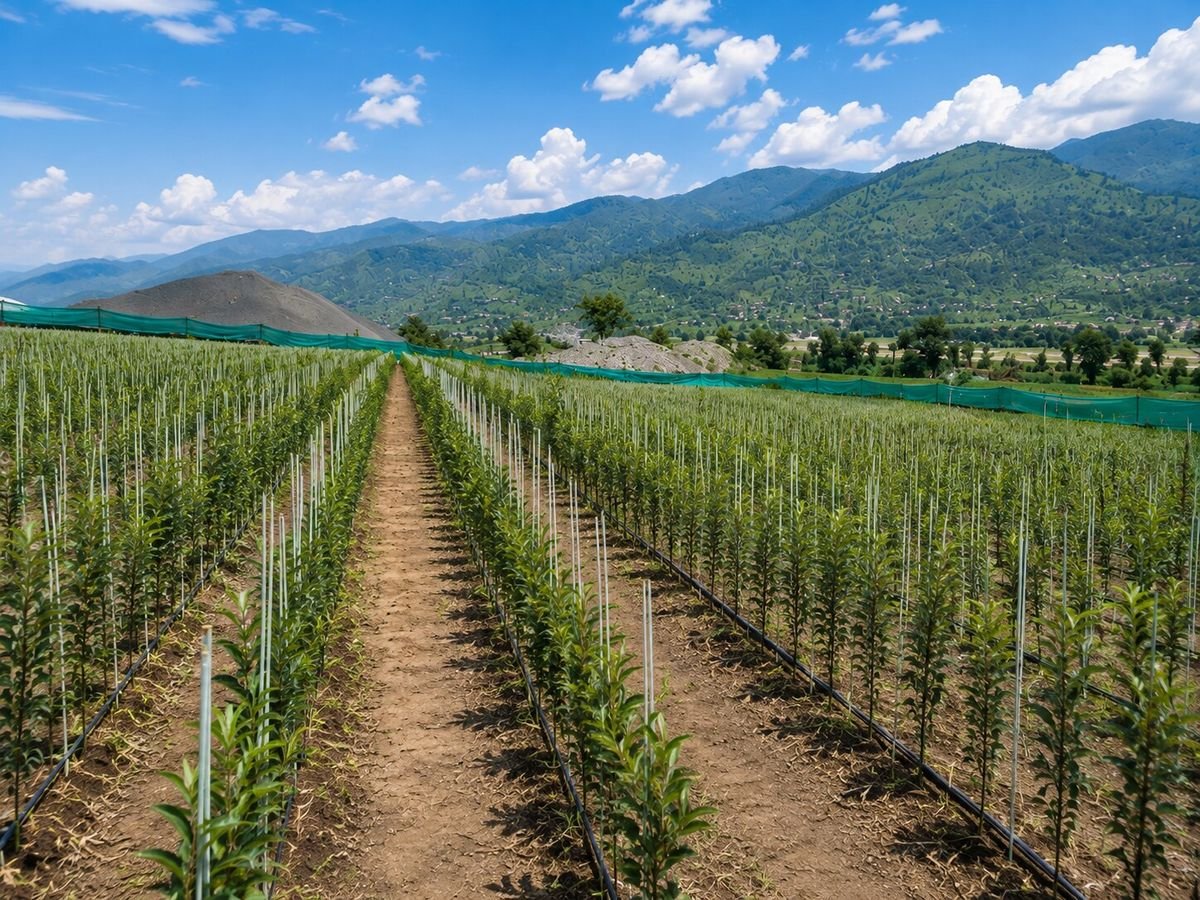
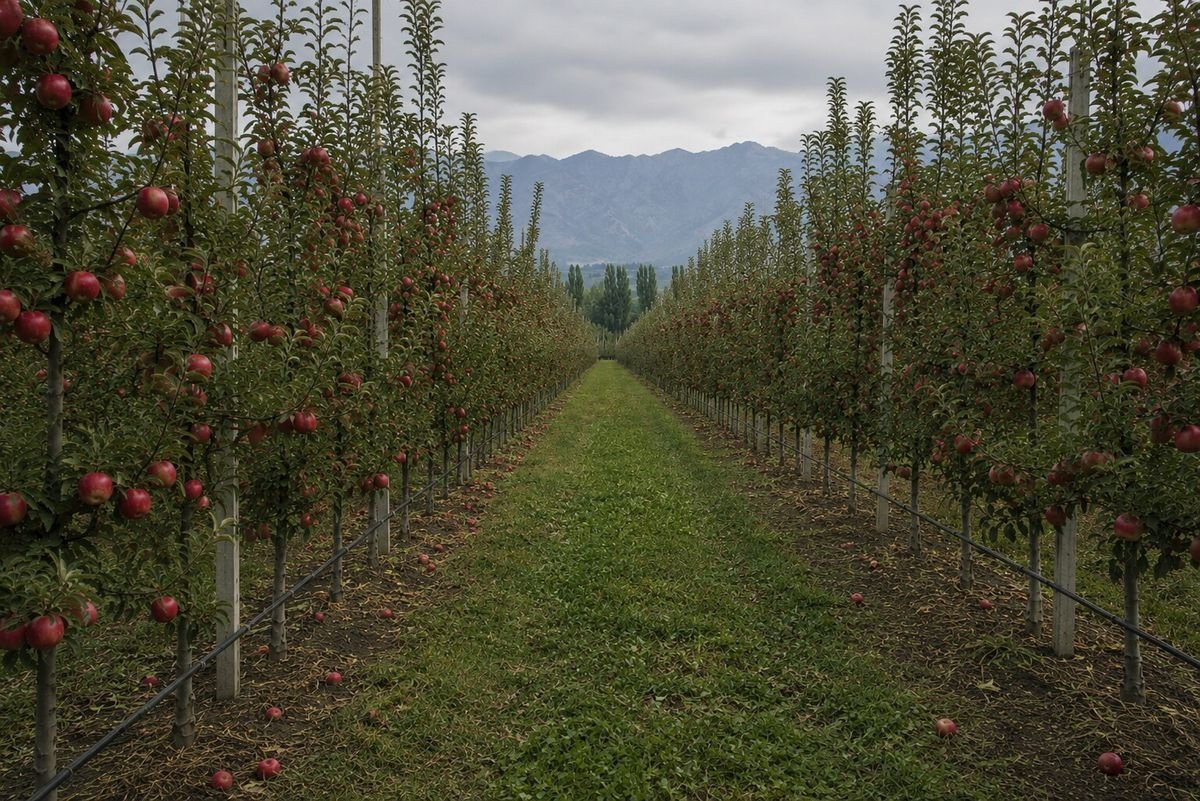
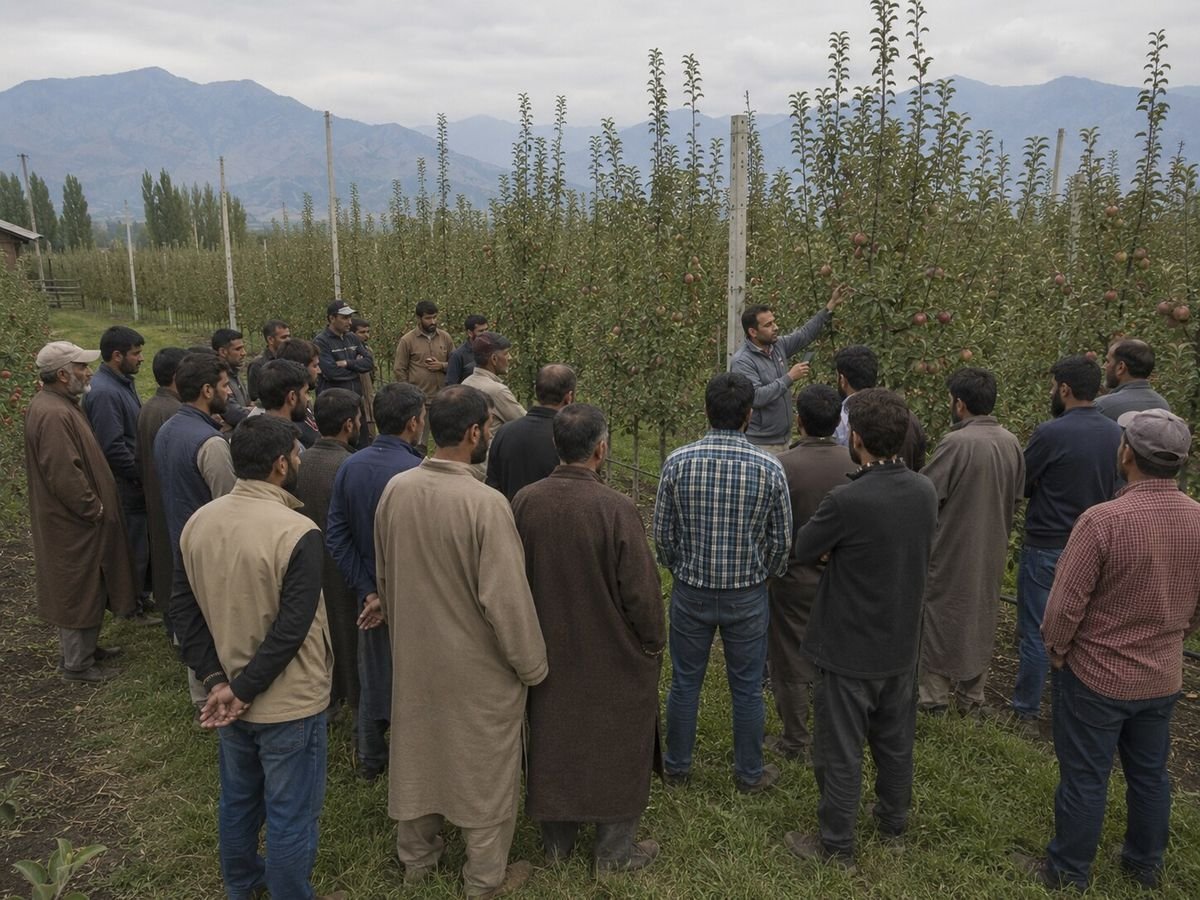

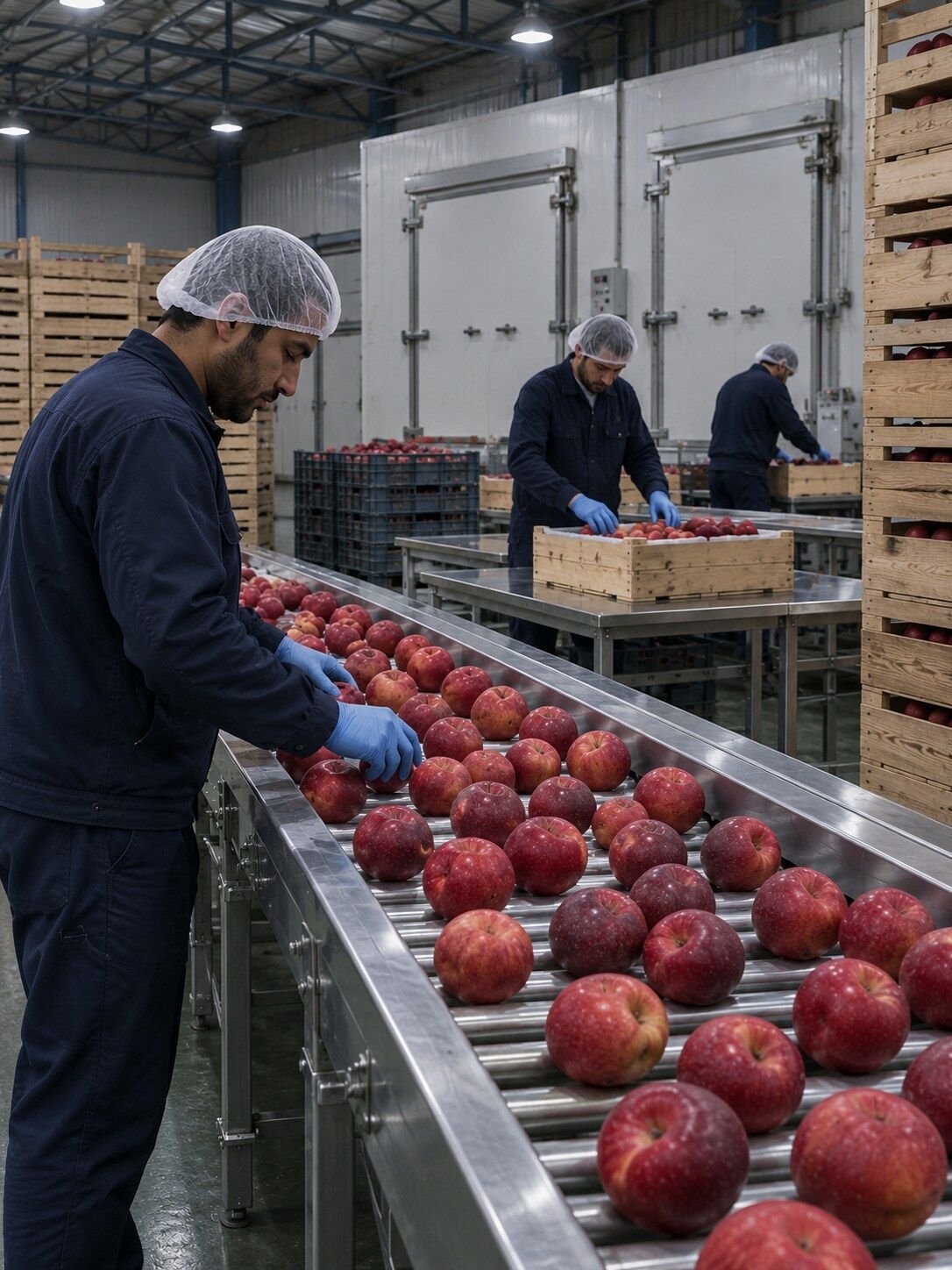
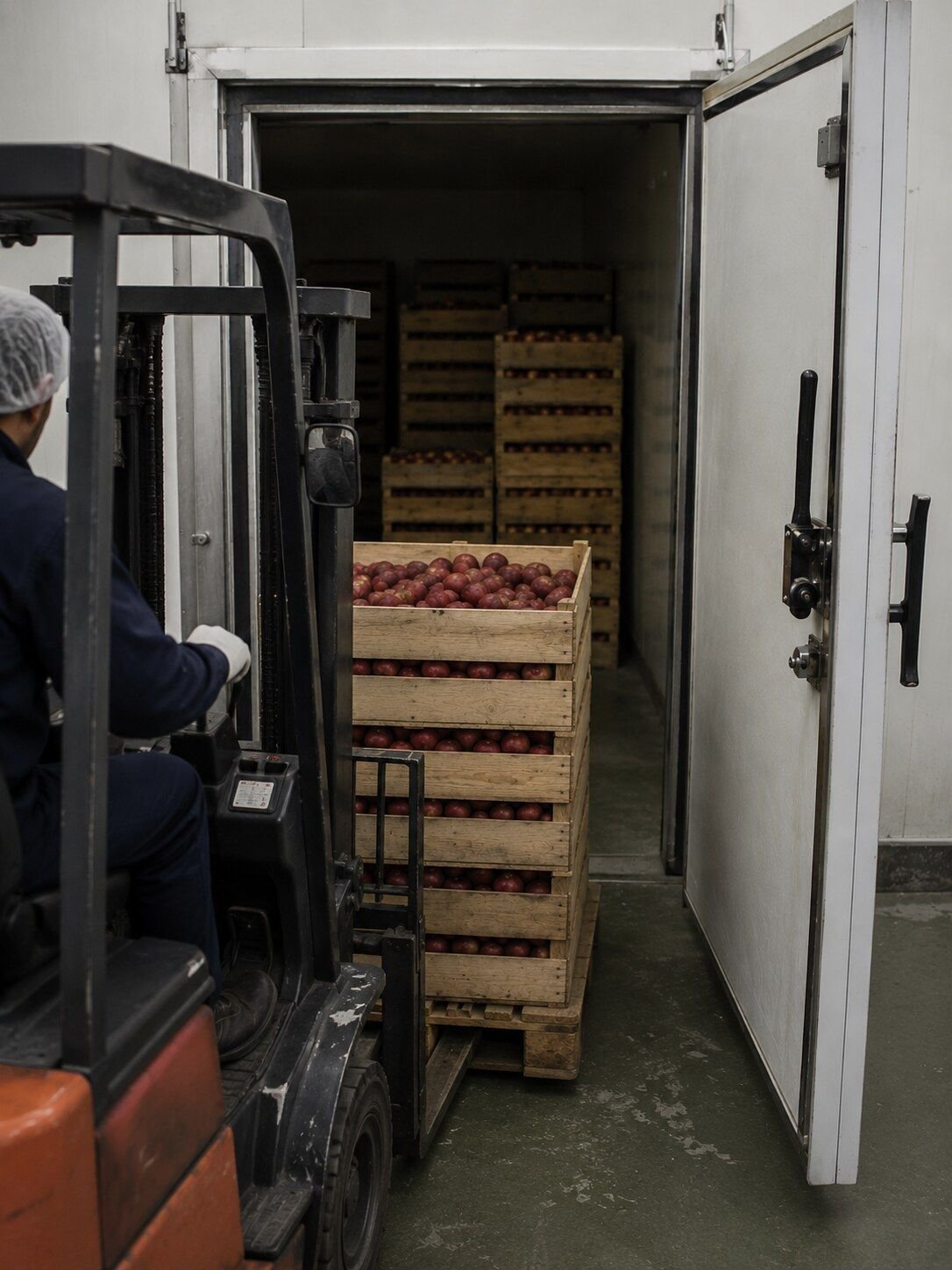
Most growers Qul works with cultivate less than half an acre. At that scale, every link in the value chain matters - the right planting material, timely diagnostics, access to storage, and a dependable route to market.
A grower's effort alone cannot overcome gaps in knowledge, infrastructure, and market access. The challenge is not capability, but access to the conditions that enable success. Qul's work begins by bringing those conditions within reach.
Qulgah Centres, field teams, and digital platforms ensure growers have access to expert guidance when and where they need it.
Nursery and rootstock innovation create stronger beginnings, enabling healthier trees, higher yields, and more resilient orchards.
Orchard development and management transform land into productive, resilient, and enduring assets.
Diagnostics and field support transform early insights into timely action, reducing risks before they impact productivity.
Storage, processing, and grading preserve quality and maximise value realisation for growers.
Logistics, traceability, and distribution connect produce to high-value markets with efficiency, transparency, and reliability.
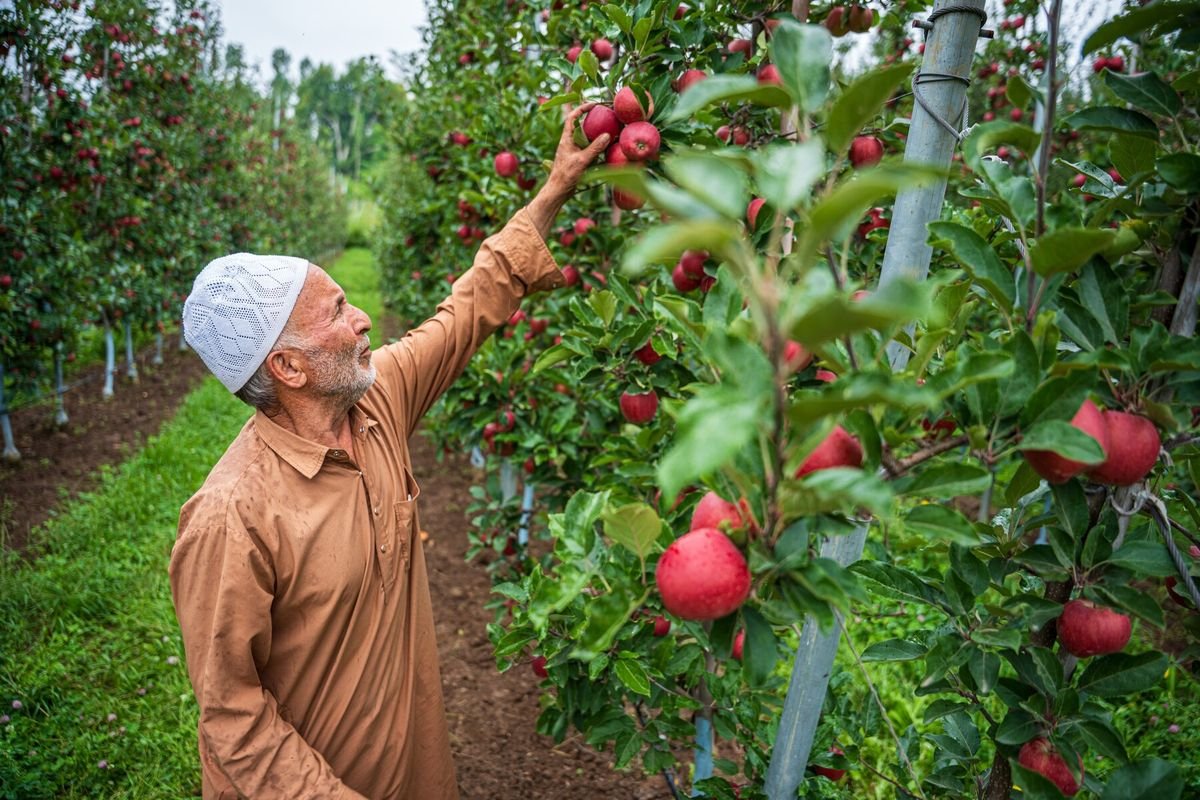
Advice without the means to act on it is incomplete. Inputs without guidance are difficult to use effectively. A productive orchard loses value when storage is unavailable, just as storage cannot compensate for an orchard that was poorly established.
These constraints are interconnected. Strengthening one part of the value chain has limited impact if the next link remains weak. That is why Qul works across the entire chain - building the conditions for productivity, resilience, and value creation from orchard to market.
No stage is the whole business. The connection between them is.
Orchard records, diagnostics, weather intelligence, and agronomic guidance help field teams reach more growers, respond faster, and make better-informed decisions. Technology extends the reach and effectiveness of the field team; it does not replace the relationship between the grower and the advisor.
Qulgah Centres bring advisory services, diagnostics, training, and field demonstrations closer to growers. Just as importantly, they bring field observations and farmer experience back into Qul's research, technical priorities, and continuous improvement.
What has been built is visible.
What it makes possible takes longer to see.
Growers engaged through advisory, orchard development, inputs, post-harvest services, or procurement.
Area established or redeveloped under Qul, including site preparation, orchard design, and installation.
Individual orchards established under Qul's orchard development programme within a single planting season.
Installed controlled-atmosphere and cold storage capacity across Qul's post-harvest operations.
Continuous operating history in fruit production, post-harvest infrastructure, and market access.
All figures are defined, dated, and supported by a documented methodology. Detailed measurement criteria are available to partners and investors. How we measure →
Qul's operations are rooted in the Kashmir Valley, where the it is operating nurseries, orchards, field teams, biological research, processing, and post-harvest infrastructure within one of the world's most demanding horticultural environments.
The experience continues to inform Qul's work across the wider Himalayan fruit-growing region.
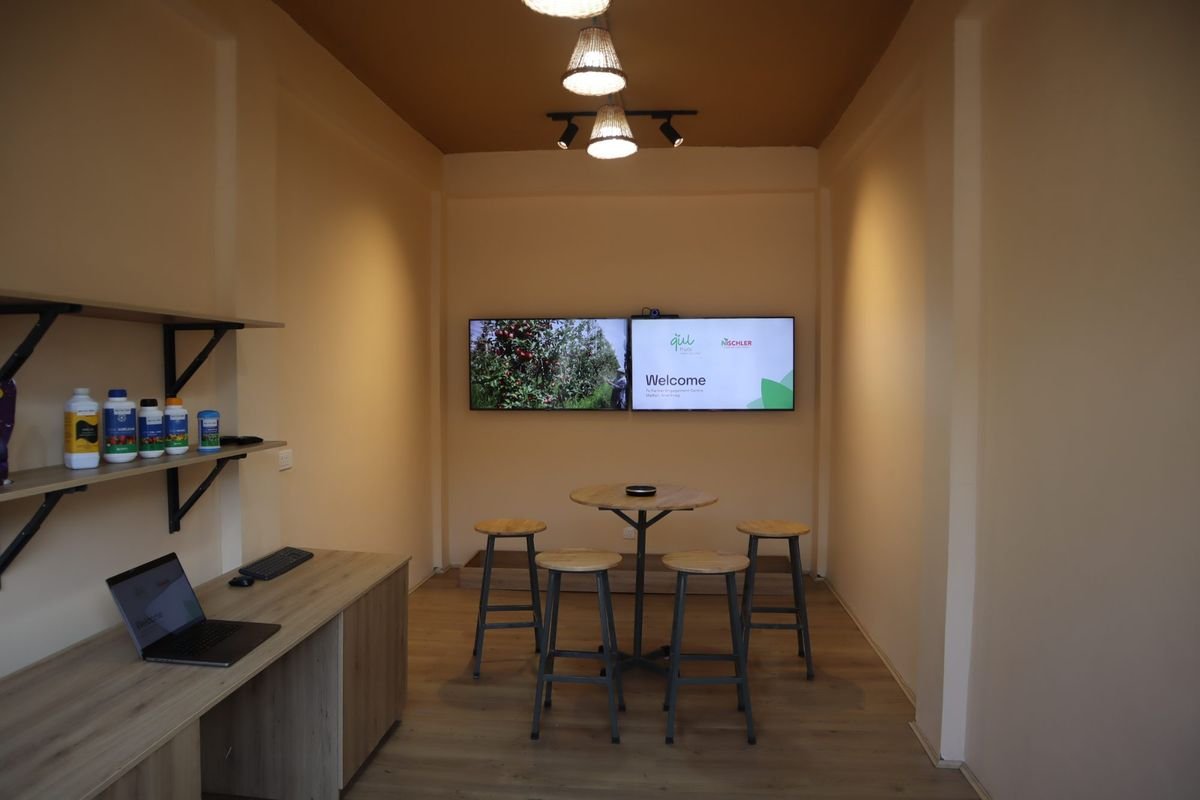
Qulgah is built around a simple principle: every improvement in horticulture passes through three stages. A grower must be able to access knowledge and capability, receive the right advice at the right time, and ultimately adopt better practice in the orchard.
The progression - from access to advice to adoption - is how technical knowledge becomes better decisions, healthier orchards, and more resilient livelihoods.
Bring growers closer to the people, facilities, diagnostics, demonstrations, digital tools, and inputs they need to improve their orchards.
Provide timely, practical guidance shaped by the orchard, the season, and the grower's stage of development.
Support growers until better practice becomes routine, measured not by the advice delivered, but by the outcomes achieved in the orchard.
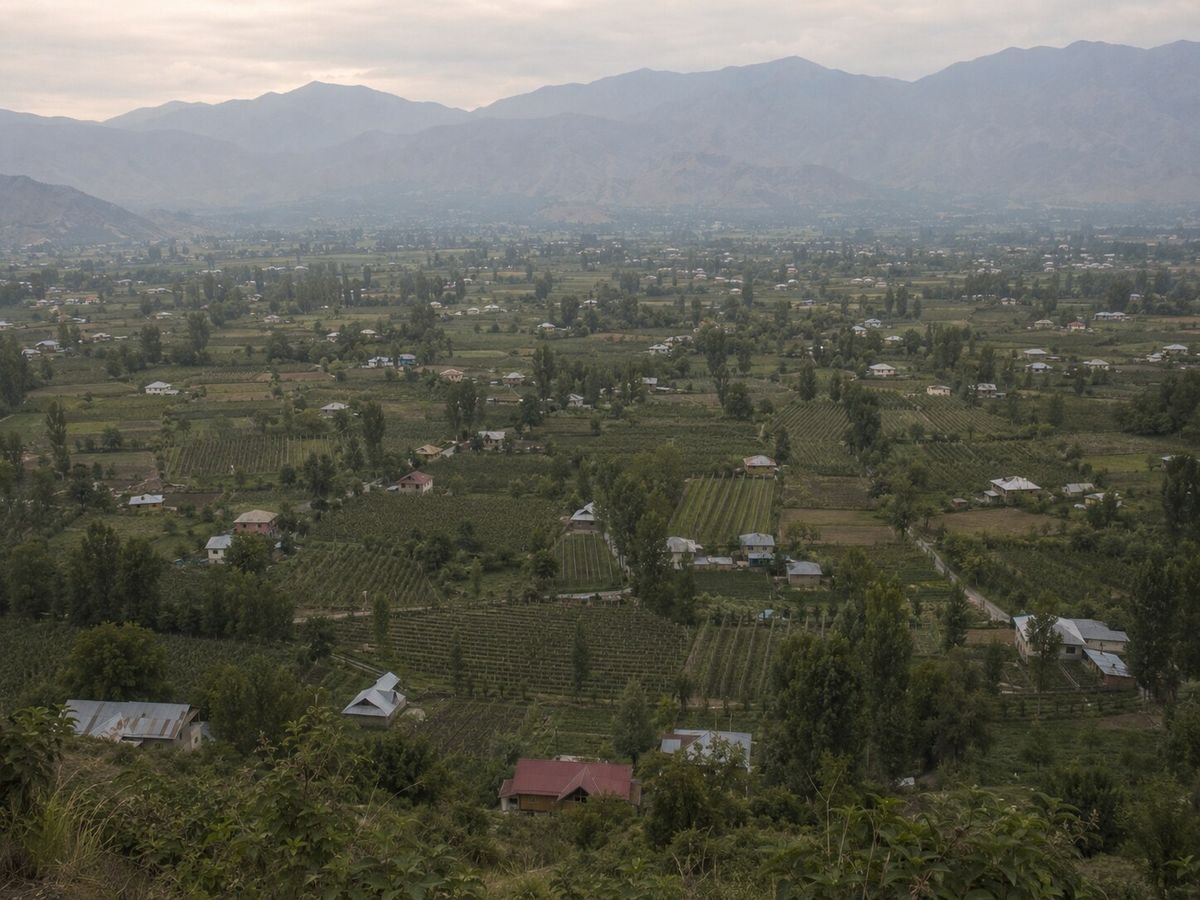
It is what remains with the people, the land, and the generations that follow.
Qul's purpose extends beyond the harvest. The aim is to leave growers with greater knowledge, stronger choices, and a lasting ability to make better decisions - so that each season builds on the one before it.

Qul is building for the long term. Working alongside growers, researchers, institutions, technology partners, and long-term capital to strengthen horticulture across the Himalayas.
If your work can contribute to that shared endeavour, we would be pleased to hear from you.